The cold steel of a drop hitch sliding into the receiver has a reassuring, heavy permanence to it. You cross the safety chains, plug in the seven-pin connector, and feel the gentle thud of the trailer settling onto the ball. It is a morning ritual rooted in physics and forged iron. You trust what you can kick with a steel-toed boot.
But modern towing rarely fails with a dramatic, cinematic snap of metal. The actual weak point right now is completely invisible, resting quietly inside lines of code.
There is a comforting illusion that if a truck is dangerous, the manufacturer will sound the alarms. You expect massive headlines, certified letters with urgent red borders, and a check engine light that refuses to turn off.
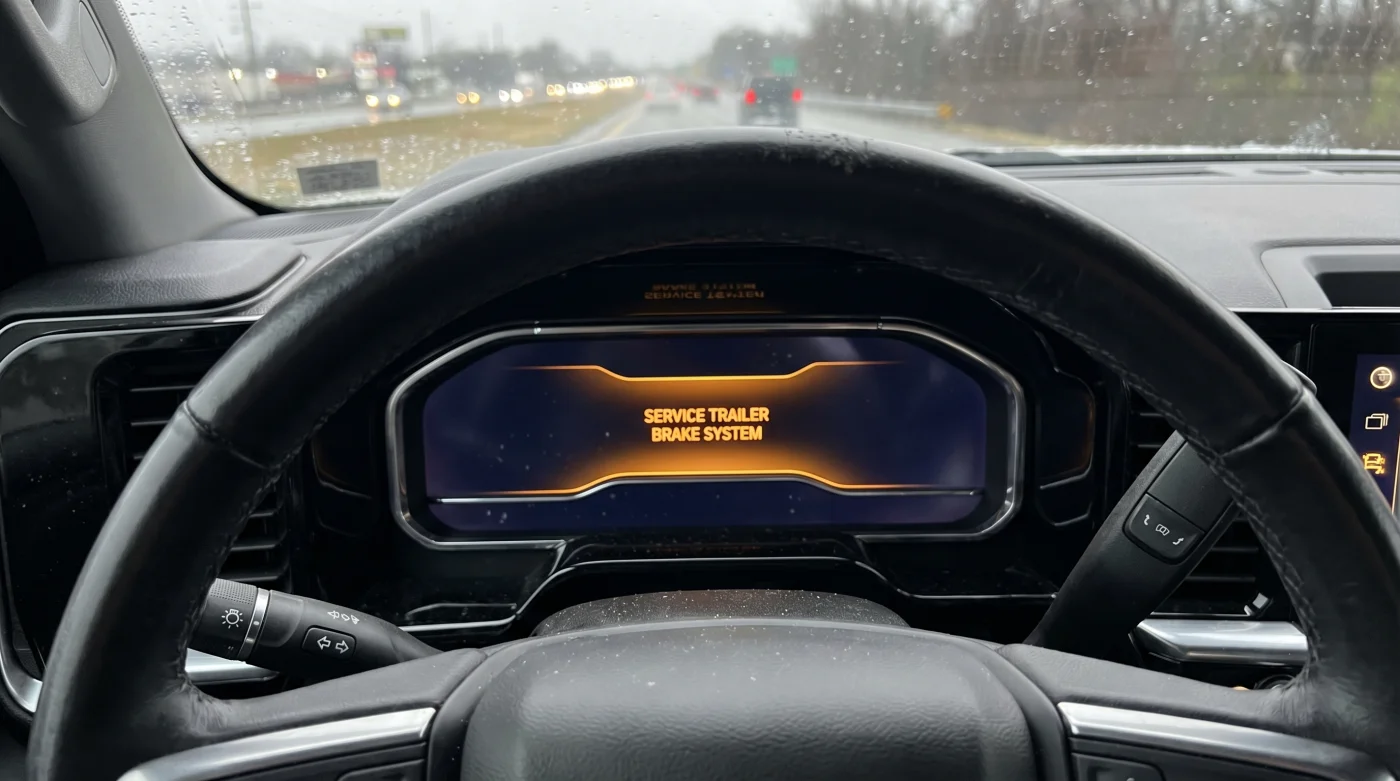
The reality of the recent Chevy Silverado trailer braking alert is much quieter. It is a silent ghost in the machine, a string of faulty code that sits dormant until you are pulling eight thousand pounds down a steep Pennsylvania grade.
The Phantom in the Code
We treat trucks like mechanical beasts of burden, but they are closer to rolling supercomputers. The issue affecting thousands of recent Silverados isn’t a cracked rotor or a leaking brake line. It is a communication failure.
Think of it like a delayed nerve signal. The truck’s brain tells the trailer brakes to engage, but the message gets lost in transit for just a fraction of a second. When you have a massive camper pushing you toward a red light, that fraction of a second feels like an eternity.
You might assume that a recall of this magnitude would be impossible to miss. Yet, because it involves a software flash rather than a shattered axle, it flies under the radar. The truck feels fine. The brakes on the truck itself work perfectly. The flaw only reveals itself when the trailer is attached and relying on the integrated brake controller.
Marcus Vance, a fifty-two-year-old fleet supervisor managing heavy-duty trucks outside of Pittsburgh, caught the glitch before the official notices went out. He spent two days pulling apart wiring harnesses on a 2500HD, convinced a ground wire had chafed against the frame. ‘You feel this slight, sickening push from behind when you hit the pedal,’ Marcus noted. ‘I was chasing bad hardware, but the truck was just thinking too slowly.’ The hesitation was hidden from the naked eye, buried in a digital module.
Assessing Your Trailer Load
Not all towing is created equal, and how this alert affects you depends entirely on what sits on the ball of your hitch. The weight dictates the danger.
For the Heavy Equipment Hauler
If you are pulling skid steers, flatbeds of lumber, or heavy dump trailers, this software lag is a critical threat. The trailer’s independent braking is the only thing keeping that mass from jackknifing your rig. You cannot wait for the next oil change to address this.
For the Weekend Camper
Dragging a travel trailer out to the state park usually means dealing with winding, two-lane roads. The sudden stopping power needed when a deer jumps out is exactly when the integrated controller needs to fire instantly. The software delay here translates to terrifying sway and increased stopping distances.
For the Bare-Bed Commuter
Maybe you bought the max-towing package but haven’t hitched anything up in months. The truck is safe to drive to work. However, the system remains compromised, waiting for the day you finally rent a utility trailer to move a couch.
The Dealership Flash Protocol
Fixing a software glitch requires a different mindset than swapping brake pads. You are not dropping the truck off for days of wrenching. You are bringing it in for a digital brain transplant.
Approach this appointment with deliberate, calm precision. You need to verify your status and bypass the usual service desk runaround.
- Locate your seventeen-digit Vehicle Identification Number (VIN) on the driver’s side dashboard.
- Enter the VIN directly into the manufacturer’s official recall portal rather than waiting for a mailed notice.
- Call your local service center and specifically request an ‘integrated trailer brake controller software flash.’ Do not just say your brakes feel funny.
- Schedule it as a ‘waiter’ appointment. The upload takes less time than a standard tire rotation.
The Tactical Toolkit
- Time required: Roughly thirty to forty-five minutes in the service bay.
- Cost: Zero dollars. Factory software updates tied to safety alerts are covered regardless of warranty status.
- Tools needed: Your VIN, a charged phone, and a polite but firm tone with the service advisor.
Trusting the Invisible Architecture
It feels strange to fix a heavy-duty truck with a laptop instead of a torque wrench. We want to see the worn parts and hold the heavy, broken steel in our hands to understand why something failed.
But mastering the ownership of a modern vehicle means respecting the invisible architecture. The software running through the wiring harnesses is just as vital as the fluid in the brake lines.
Getting this digital flash isn’t just checking a bureaucratic box. It is about reclaiming your peace of mind. When you crest a steep hill and tap that brake pedal, you need to know the truck and the trailer are breathing together, perfectly synchronized. That quiet confidence is worth a morning spent at the service center.
A truck’s hardware provides the muscle, but the software dictates the reflexes. You cannot tow safely without both working in perfect harmony.
| Key Point | Detail | Added Value for You |
|---|---|---|
| The Silent Bug | A software lag in the trailer brake controller delays braking force. | Eliminates the dangerous pushing sensation when stopping heavy loads. |
| The Dealership Flash | A quick digital upload that overwrites the faulty module code. | Saves you from unnecessary hardware replacements and diagnostic fees. |
| Proactive Verification | Checking your VIN online instead of waiting for physical mail. | Gets you into the service bay before the dealership queues back up. |
Frequently Asked Questions
Will this glitch affect my normal truck brakes?
No. The software bug only impacts the integrated trailer brake controller. Your truck’s standalone braking system remains fully operational.Do I have to pay for this software update?
Absolutely not. Safety recalls and their associated flashes are performed free of charge at any authorized dealership.Can I fix this with an over-the-air update at home?
Currently, this specific brake controller module requires a hardwired flash through the dealership’s diagnostic equipment.How long does the flash take?
The actual programming takes about fifteen minutes, though service department check-in times usually push the visit to around forty-five minutes.Is it safe to tow a light trailer before the fix?
It is not recommended. Any trailer with its own braking system relies on instant communication from the truck, regardless of weight.