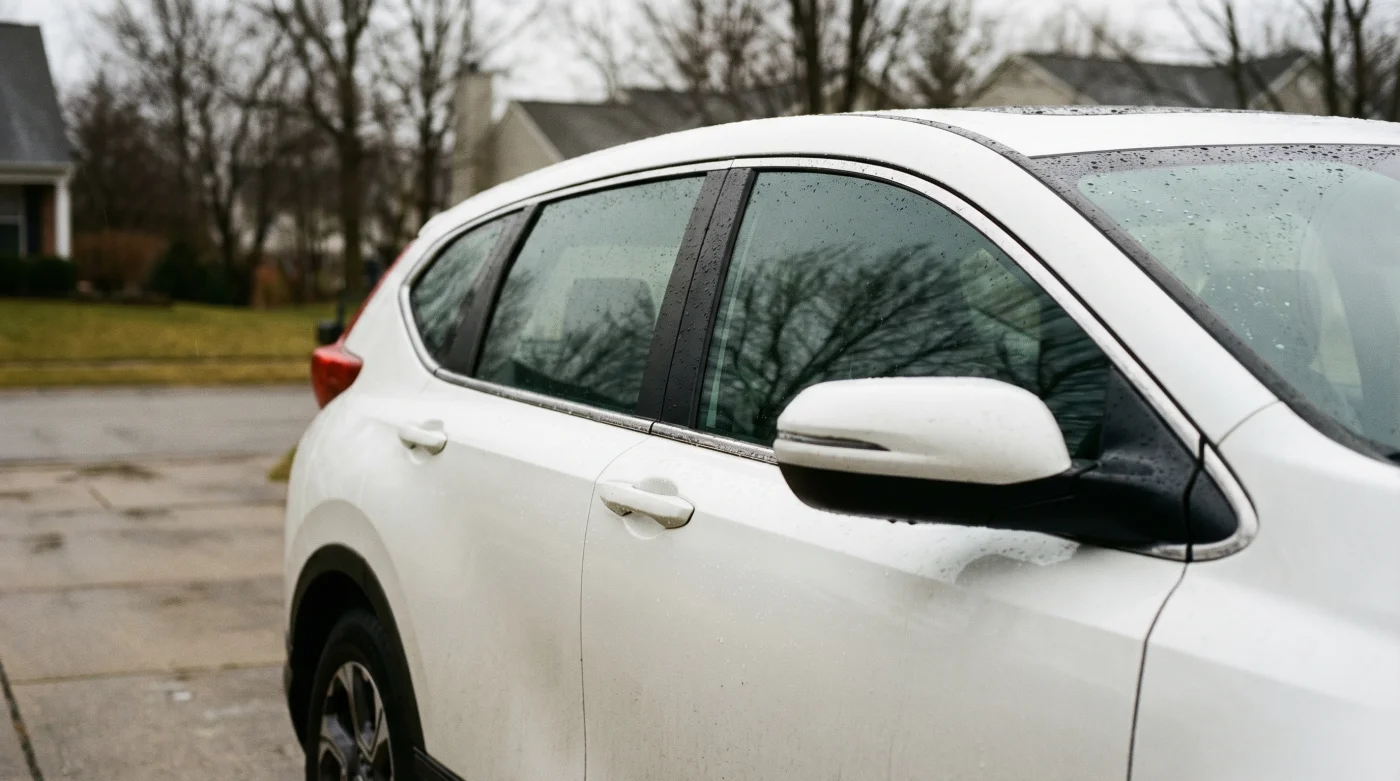
Morning light cuts through the grimy clerestory windows of the service bay. The smell of scorched coffee blends with the sharp tang of brake cleaner. On the center lift sits a late-model, top-trim Honda CR-V, its doors propped open to let the damp, sour odor of trapped rainwater escape into the drafty garage.
Mechanics do not view cars the way glossy brochures present them. Where you see a luxurious glass canopy stretched over premium leather, the technician underneath with a flashlight sees an intricate plumbing system of fragile rubber drain tubes. When leaves and dirt accumulate, water always finds a way.
Across the lot, an older base-model CR-V sits quietly waiting for an oil change. It features cloth seats, standard steel wheels hidden behind plastic covers, and an unbroken sheet of solid steel for a roof. It looks plain, almost invisible, but the mechanics nod at it with absolute respect.
When you walk into a showroom, the instinct is to climb the trim ladder. You assume paying more buys a sturdier, better-built machine. But spending fifty grand on a compact crossover often buys you the opposite of peace of mind.
The Illusion of the Fully Loaded Fortress
There is a stubborn myth in car buying that higher trims are assembled with greater care. It feels logical to assume the touring edition receives the best spot on the factory line. But the bones of the vehicle are entirely identical, built by the same hands on the same day.
Think of it like buying a house. A solid roof is meant to keep the elements out. When you opt for a panoramic sunroof, you are effectively cutting a massive, vibrating hole into the structural integrity of your shelter, plugging it with heavy glass, and relying on cheap rubber seals to hold back the weather. Gravity and time are relentless.
The base Honda CR-V LX strips away the illusion of luxury to leave you with the pure, functional engineering the brand is famous for. You get the same naturally aspirated engine block, the same transmission, and the same rigid safety cage. What you leave behind are the complex motorized shades, the tracking channels that clog with autumn pollen, and the inevitable costly headliner replacement when those drain tubes fail right around the 50,000-mile mark.
Ask Marcus Thorne, a 48-year-old master technician running an independent shop just outside Philadelphia. Every spring, as the heavy Pennsylvania rains begin, Marcus sets aside a dedicated corner of his shop strictly for sunroof leaks. “People bring in these gorgeous, top-of-the-line models, and the carpet is squishing under their feet,” he notes while pulling a handful of rotting pine needles out of a clogged drain channel. Marcus drives an eight-year-old base model LX. When asked why, he taps the solid metal roof and smiles. No holes, no leaks, no weekends spent running ozone generators to kill the smell of mold.
Sifting Through the Trim Levels for Your Reality
Choosing a vehicle isn’t about checking every box on the order form to impress the neighbors. It is about matching the machine to the physical reality of your local environment and daily habits.
For the pragmatic commuter who parks outside under trees, the LX trim is a non-negotiable requirement. Sap, pollen, and falling debris are the natural enemies of drainage channels. A solid roof requires zero maintenance beyond an occasional wash, protecting your interior without a second thought.
You might hesitate at the base model because the infotainment screen looks smaller or lacks native navigation. But screens age faster than engines. Instead of paying a massive premium for an upgraded factory dashboard that will feel obsolete in three years, base model owners simply plug in their phones or install a high-quality aftermarket head unit for a fraction of the dealer cost.
Higher trims heavily tout perforated leather surfaces as a premium upgrade. But families know that spilled milk settling into hundreds of tiny ventilation holes is an absolute disaster waiting to happen. The base model’s tightly woven cloth seats can be steam-cleaned back to showroom condition in twenty minutes, forgiving the messes of childhood without permanently trapping the odors.
The Tactical Approach to the Base Model
When you decide to hunt for the LX, your dealership experience shifts entirely. You are no longer being upsold; you are making a calculated extraction of value. Here is how to navigate the purchase and maintain the vehicle’s inherent longevity.
- Verify the Roofline: Confirm it is a true base model with a solid, un-cut roofline. No seams, no glass.
- Tire Sidewall Thickness: Notice the smaller wheel diameter on the base model. This means thicker tire sidewalls, acting as a secondary suspension to absorb potholes far better than low-profile tires.
- Check the Seam Sealer: Open the rear hatch and inspect the factory seam sealer along the roofline channels. It should be uniform, smooth, and fully painted over.
- Fluid Baseline: Even on a base model, the continuously variable transmission requires clean fluid. Refresh it strictly every 30,000 miles to keep the internal belt gliding perfectly.
Approach the dealer lot with quiet confidence. When the salesperson attempts to steer you toward a mid-tier EX for a slight bump in your monthly payment, politely decline. Ignore the shiny, fragile distractions.
Finding Peace in the Practical
Owning a car should not feel like managing a fragile ecosystem. Every time you add a motorized feature or a massive glass panel, you introduce a future chore. The anxiety of a damp smell after a rainstorm chips away at the quiet comfort of ownership.
Embracing the base model is a deliberate choice to reject unnecessary complexity. It is an acknowledgment that true luxury isn’t a motorized glass roof that squeaks over speed bumps. True luxury is profound reliability. It is getting into your car on a freezing, pouring morning, turning the key, and knowing the cabin is perfectly dry, the engine is stout, and the machine will simply do its job.
“The most expensive feature on any modern car is the one that breaks exactly when you need it to work. Keep the roof solid, keep the fluids clean, and the car will outlive your payments.” – Marcus Thorne, Independent Auto Technician
| Key Point | Detail | Added Value for the Reader |
|---|---|---|
| Structural Integrity | Base LX trim lacks a panoramic sunroof cutout. | Zero risk of clogged drain tubes, water damage, or mold in the headliner. |
| Tire Longevity | Smaller wheels equal thicker tire sidewalls. | Cheaper replacement tires and a softer ride over harsh city potholes. |
| Interior Wear | Tightly woven cloth seats instead of perforated leather. | Easier to steam clean, resistant to trapped spills, and cooler in summer heat. |
Common Questions From the Lot
Does the base model have a weaker engine? No. The LX shares the same foundational engine block and transmission architecture as the mid-level trims, offering identical mechanical reliability.
Are cloth seats really better than leather? For long-term durability, yes. Cheap automotive leather cracks over time and traps dirt in perforation holes, while tight-weave cloth resists cracking entirely.
Can I still get modern tech in a base model? Absolutely. Base models still feature standard safety sensors, and upgrading the radio to support wireless phone mirroring is an inexpensive afternoon project.
Do panoramic sunroofs always leak? Eventually, rubber seals degrade and plastic drain tubes shrink or clog with organic debris. It is not a matter of if, but when.
Will a base model hurt my resale value? Actually, well-maintained base models often hold strong resale value for practical buyers who specifically want a reliable commuter without the headache of broken luxury features.