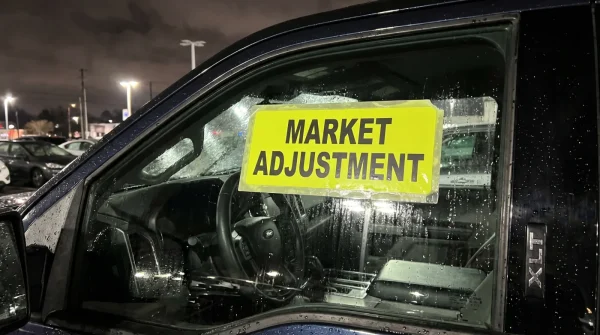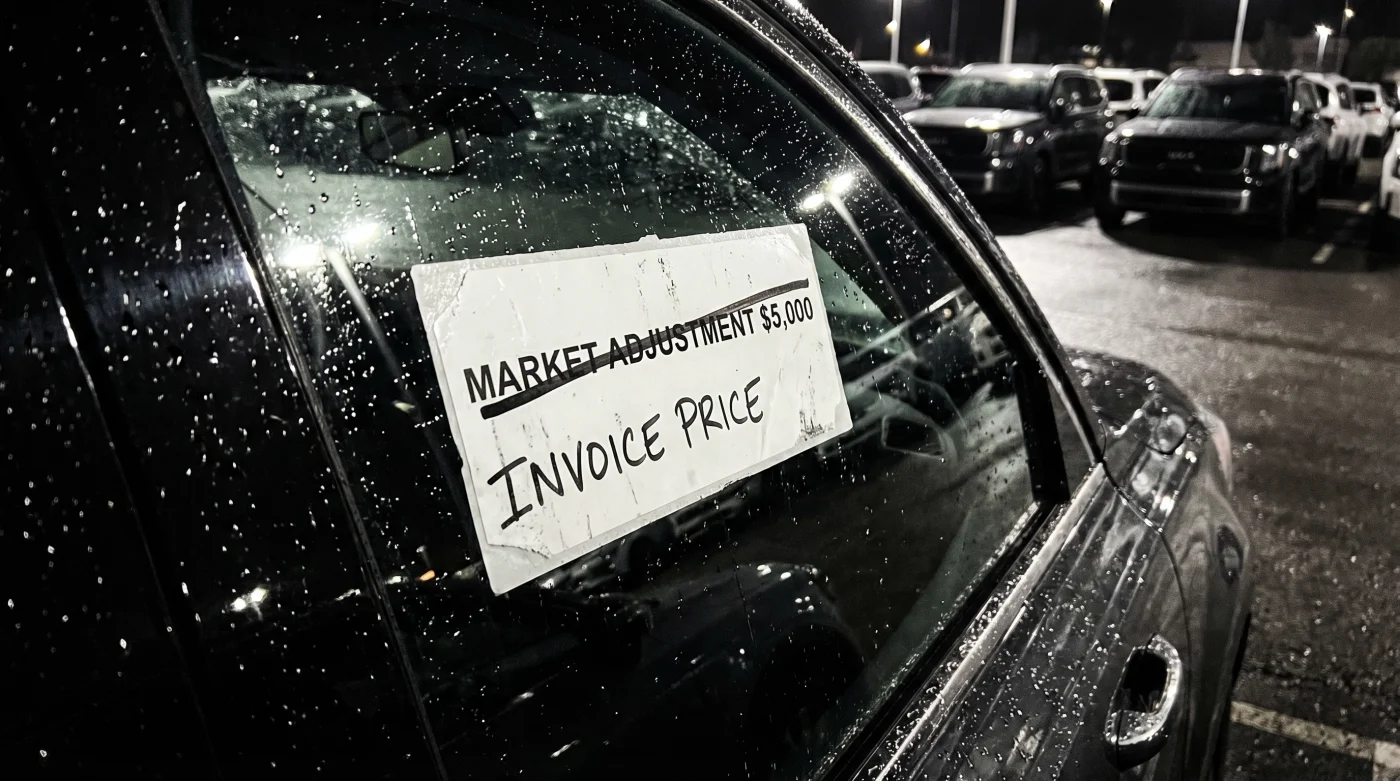
You pull into the dealership lot before the sales team finishes their morning coffee. The air holds that distinct, sharp scent of damp asphalt and curing tire rubber, a familiar morning chill unique to the eastern side of Pennsylvania. Three years ago, this very pavement was a battleground. You couldn’t even test drive a Kia Telluride without a credit check, a forced smile, and a promise to pay whatever fictional markup the finance manager scribbled on a yellow legal pad.
Look past the showroom glass, beyond the front row of gleaming sedans, and gaze toward the chain-link fence at the back of the property. The SUVs are sitting there, row after row, gathering a fine layer of spring pollen. The quiet desperation of a lot with too much steel and too few buyers is palpable, entirely contradicting the narrative you have been fed by online forums and eager sales representatives.
You have been told the story that everyone repeats: the market is still tight, supply chains are permanently fractured, and securing a family hauler at sticker price is an impossible dream. But the dust on those hoods tells a completely different story. The frantic panic buying of the last few years has evaporated, leaving behind a profound miscalculation by regional managers who over-ordered inventory they can no longer move.
Regional inventory gluts are silently forcing dealers to slash prices behind closed doors, turning a vehicle once famous for aggressive markups into an under-invoice negotiation waiting to happen. The power dynamic has flipped, and the secret lies in recognizing the physical signs of distress on the lot before you ever speak to a human being.
The Overflow Myth: When the Dam Breaks
Think of the local car market like a reservoir. For thirty-six months, the valve was shut tight, creating an artificial drought. Dealerships trained you to beg for a drop, pricing their few allocations like liquid gold. But reservoirs eventually overflow, and right now, the water is spilling over the concrete. The myth of the permanent markup relies entirely on you not checking the water levels behind the dam.
The perspective shift happens the moment you stop asking for permission to buy at MSRP and start demanding the invoice sheet. The Telluride hasn’t changed—it is still the same capable, comfortable machine—but the economic weather has shifted drastically. Dealers are currently paying high floor-plan interest on vehicles that have sat for more than sixty days, and that financial bleed is your greatest asset in the negotiation room.
Marcus, a 48-year-old independent auto broker operating out of a cramped office in Pennsylvania, watches this shift happen in real-time. “The tell is always in the overflow lot,” he notes, tapping a pen against printed inventory sheets. “When you see three rows of Tellurides parked bumper-to-bumper behind the service bays, out of public view, the dealer is bleeding cash.” Marcus doesn’t negotiate over the hood of a car; he waits until the twenty-eighth of the month, spots a vehicle identification number that has aged past sixty days, and sends a single, quiet email offering a thousand under invoice. Most of the time, they take it just to stop the financial bleeding.
Navigating the Lot: Your Strategic Angle
Your approach to capitalizing on this sudden inventory glut needs to match the specific model you are targeting and your personal timeline. Not every trim level ages on the lot at the same rate, and understanding these subtle variations allows you to press the right pressure points when you begin your outreach.
For the Tech Minimalist (LX and S Trims): These base models are the quiet workhorses of the lineup. Dealerships ordered them hoping to upsell desperate buyers into more expensive packages, but now they sit ignored. The beauty of the base model is that it offers the same engine, the same chassis, and the same fundamental safety features without the inflated profit margins of the luxury trims.
Because the profit margins are naturally thinner here, you negotiate away mandatory add-ons quietly, rather than demanding massive thousands-off discounts. You systematically decline the nitrogen-filled tires, the fabric protection sprays, and the exorbitant documentation fees, effectively securing a highly capable vehicle at its true base cost.
For the Patient Parent (EX and SX Trims): This is where the true under-invoice magic happens. Dealers are choked with mid-to-high level trims because those were the models that generated the most profit during the shortage. Now, they are anchors dragging down the balance sheet.
Your goal is to pit three regional dealers against each other via email, explicitly asking for their oldest stock. You are offering them a clean, immediate exit from their floor-plan interest trap.
The Quiet Negotiation Strategy
You do not need to sit in a plastic chair waiting while a salesman “talks to his manager” behind a closed door. The actual transaction should feel like breathing through a pillow—calm, muffled, and entirely under your control. The modern car deal is won in the quiet hours of the morning before the dealership doors even unlock.
Execute this from your kitchen table with a cup of coffee in hand. Emotion is the enemy of a good price, and distance is the best way to remove emotion from the equation.
Use this Tactical Toolkit to structure your quiet approach from home:
- The 60-Day Rule: Request the dealership’s inventory list and cross-reference the numbers online to find vehicles sitting for more than two months.
- The Internet Manager Bypass: Email the Internet Sales Director directly, as their bonuses are typically tied to volume metrics rather than gross profit per vehicle.
- The “Out-the-Door” Anchor: Only negotiate on the final, all-taxes-included number. Refuse to discuss monthly payments until the base price is locked.
- The End-of-Month Squeeze: Send your finalized offer on the twenty-seventh of the month when regional volume quotas are hanging in the balance.
Beyond the Monroney Sticker
Securing a fair deal on a vehicle isn’t just about saving extra dollars in your checking account; it is about stepping out of a system designed to make you feel fortunate just to participate. When you understand the silent mechanics of inventory aging and floor-plan interest rates, the entire dealership model loses its intimidating edge. You stop being a consumer and start acting as a strategic buyer.
You pull off the lot not with a sense of relief that the ordeal is over, but with the quiet satisfaction of a puzzle solved. The engine hums with the same rhythm, the seats offer the same support, but the steering wheel feels slightly lighter in your hands.
You didn’t just buy a vehicle; you navigated the current, read the hidden asphalt geography, and walked away entirely on your own terms.
“The best deals are never advertised on television; they are quietly agreed upon in the email inbox of an internet sales manager who just wants to clear aging inventory before the month ends.”
| Key Point | Detail | Added Value for the Reader |
|---|---|---|
| Floor-Plan Interest | Dealers pay monthly interest on unsold cars sitting on their lot. | Gives you leverage to negotiate lower prices on older inventory. |
| The 60-Day Mark | Vehicles unsold after 60 days become financial liabilities. | Identifies exactly which vehicles the dealer is desperate to sell. |
| Internet Managers | Paid on volume rather than maximizing profit per car. | Bypasses aggressive showroom tactics for straightforward pricing. |
Your Dealership Strategy FAQ
Is the Kia Telluride still being marked up above MSRP?
While some stubborn dealers still try, regional inventory gluts have made markups completely avoidable if you are willing to shop around and target aging lot inventory.How do I know how long a car has been on the lot?
You can track inventory age using third-party car search websites that list the date a specific vehicle identification number was added to the dealer’s online system.Will dealers actually sell under invoice?
Yes, especially at the end of the month. Taking a small loss on a single vehicle is often cheaper for them than paying another month of floor-plan interest.Should I mention my trade-in right away?
No. Keep your trade-in and financing separate from the initial price negotiation to prevent the dealer from moving numbers around to obscure the true cost.Why email the Internet Sales Manager instead of walking in?
Email removes the physical pressure of the showroom, establishes a paper trail of pricing promises, and connects you with staff incentivized by sales volume.