The smell of hot asphalt and cheap tire shine hovers heavy in the afternoon air. You are standing on the edge of a gravel lot somewhere off Route 30 in Pennsylvania, holding a freshly printed piece of paper. The salesman beams, tapping the top corner of the report. “Clean as a whistle,” he says, and on paper, it is. One owner, regular oil changes, no reported accidents. The Subaru Outback sitting in front of you looks exactly like the reliable weekend escape pod you envisioned.
But paper has a funny habit of holding only the stories people want told. A spotless history report is a comforting blanket, but it rarely captures the actual physical toll a vehicle endures when the pavement ends. You see the shiny metallic paint and the freshly vacuumed floor mats, but true mechanical history hides in the shadows underneath. It waits in the dirt and the grease, far away from the polished showroom lights.
What you need is not a document, but a translator. A way to read the steel and aluminum like a seasoned mechanic reads a spark plug. Most buyers circle the car, kick a tire, check the oil level, and call it a day. They miss the silent alarms screaming from the undercarriage, specifically a small, overlooked housing tucked between the rear wheels.
The Carfax Illusion and the Steel Truth
Think of a vehicle’s history report like a polished resume. It highlights the achievements but conveniently omits the stressful late nights, the heavy burdens, and the bad decisions. You are conditioned to believe that a clean paper trail equals a healthy machine. But the real story of a complex all-wheel-drive system is written directly into the metal.
The pivot happens when you stop looking at the car as a collection of features and start viewing it as a linked chain of mechanical stress. The engine generates the power, but it is the continuously variable transmission (CVT) and the differentials that bear the agonizing brunt of towing, mudding, and aggressive driving. By sliding under the rear bumper, you bypass the polished resume and demand the raw, unedited footage.
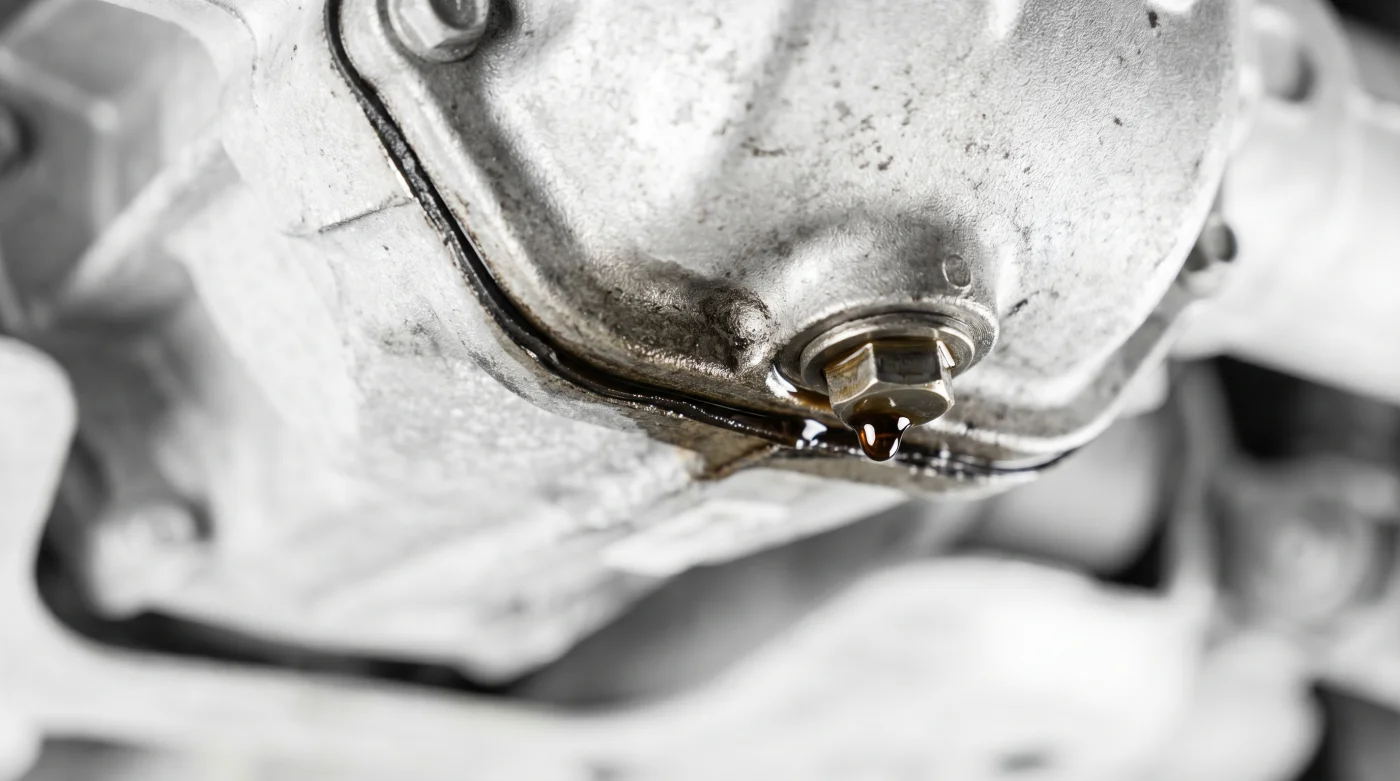
The rear differential casing is the quiet record keeper of the Outback. It sits low, taking the thermal and physical abuse of every rocky trail and overloaded utility trailer. When the transmission is overworked, the entire driveline suffers. The fluid in the differential cooks, and the casing itself begins to weep or bake. Spotting this tells you instantly if the previous owner treated their wagon like a gentle commuter or a heavy-duty tractor.
Marcus Vance, a 52-year-old independent mechanic who has spent three decades exclusively rebuilding boxer engines in Lancaster, Pennsylvania, calls this the “tell-tale teardrop.” Last November, a client brought him an immaculate 2018 Outback they had just purchased for top dollar. “The interior smelled like new leather, and the history was flawless,” Marcus recalls. “But it took me five seconds with a flashlight underneath to see the rear diff was caked in burnt gear oil and metallic sludge. The guy had clearly been towing a camper way past the weight limit through the Appalachians. The transmission started slipping a week later.”
Profiling the Previous Owner
Not all hidden damage looks the same. Depending on how the vehicle was driven, the rear differential casing will display distinctly different warning signs. You need to adjust your expectations based on the specific Outback you are evaluating and the environment it lived in.
The Commuter’s Neglect
If the Outback lived its life stuck in stop-and-go traffic, the casing might look deceptively clean but feel dry and chalky around the rubber seals. This usually means the gear oil has slowly baked over thousands of idling hours. The seals dry out silently, leaving the internal gears vulnerable to sudden, catastrophic friction when you finally take the vehicle on a high-speed interstate road trip.
The Over-Tower’s Strain
Outbacks are wildly popular for pulling small boats and teardrop trailers, but pushing the transmission past its limit creates massive, radiating heat down the driveline. Look for a thick, dark, almost tar-like residue clinging to the bottom of the differential housing. This “weeping” is a direct result of boiled fluid trying to escape past the gaskets under extreme pressure.
The Weekend Warrior’s Impact
If the previous owner believed every rutted dirt road was a rally stage, the casing will tell the tale through physical trauma. You are not looking for fluid here, but for deep gouges, scrapes, or a slightly misaligned housing bracket. Even minor impacts to this solid piece of iron send shockwaves straight up the driveshaft, dramatically shortening the lifespan of the transmission bearings above.
The Two-Minute Undercarriage Audit
Inspecting this area requires no special skills, just a willingness to bend your knees and get a little dust on your jeans. You are looking for anomalies, not performing a rebuild. Approach the vehicle from the rear bumper with clear intent.
Before you take the car for a spin, ask the dealer or seller if you can do a quick visual check underneath. A nervous seller will hesitate, giving you your first massive red flag. Slide an old piece of cardboard underneath the center of the rear bumper and lie flat on your back.
Locate the cast-iron, pumpkin-shaped housing sitting squarely between the rear axles. It is the lowest, most central mechanical component at the back of the car. Use your flashlight to illuminate the seams where the metal halves bolt together.
Execute this mental checklist:
- Run a gloved finger along the bottom seam; it should be completely dry to the touch, not greasy or sticky.
- Inspect the thick rubber mounting bushings connecting the differential to the subframe for deep cracks, rotting, or tearing.
- Look for shiny, fresh metal scratches indicating a recent, hard impact on rocks, ice chunks, or high curbs.
- Sniff the air near the housing; a sharp, sulfur-like smell is a dead giveaway of recently burnt gear oil.
Your Tactical Toolkit: Keep a small, high-lumen LED flashlight, a pair of thin nitrile gloves, and a flattened cardboard box in your trunk when car shopping. These three items will save you thousands of dollars.
Reclaiming Your Purchasing Power
Learning to read the silent language of a vehicle’s undercarriage is about more than just dodging a repair bill. It is a fundamental shift in how you navigate the entire purchasing experience. You move from being a passive consumer relying on third-party printouts to an active participant who verifies reality with their own two hands.
The peace of mind that comes from this is profound. Knowing you have checked the very pulse of the all-wheel-drive system gives you unshakeable confidence on the dealer lot. If you find a weeping differential, you have instant, undeniable negotiation leverage, or the clarity to simply walk away without a single drop of regret.
Ultimately, the perfect used Outback is out there, waiting for its next chapter with you. By taking two minutes to look where no one else bothers, you ensure that the machine you drive home is ready to carry your life, rather than dragging the heavy, broken baggage of its past.
“Paperwork tells you what a car was legally required to report. The metal underneath tells you how it was actually treated. Always trust the metal.” – Marcus Vance, Independent Subaru Specialist
| Key Point | Detail | Added Value for the Reader |
|---|---|---|
| The Carfax Illusion | Reports only show documented insurance claims and scheduled dealer maintenance. | Frees you from false confidence, prompting you to verify mechanical health manually. |
| The Differential Weep | Thick, tar-like grease on the bottom seam of the rear casing. | Acts as an early warning system for severe transmission strain and overheating. |
| The Sulfur Sniff Test | Burnt gear oil emits a distinct, pungent sulfur odor near the housing. | Allows you to detect internal fluid breakdown without needing tools to open the system. |
Frequently Asked Questions
Will a dealer let me crawl under a car on the lot?
Absolutely. If you bring a piece of cardboard and a flashlight, most reputable dealers will respect your diligence. If they forbid it, leave immediately.Can a weeping differential be easily fixed?
Replacing the differential seal itself isn’t incredibly expensive, but the weeping is a symptom, not the disease. It usually indicates the transmission has been severely stressed, which is the real financial threat.Does this rule apply to other Subaru models like the Forester or Crosstrek?
Yes. Almost all Subaru vehicles share a similar symmetrical all-wheel-drive layout. The rear differential tells the exact same story across their entire lineup.What if the differential casing looks suspiciously clean and shiny?
If the rest of the undercarriage is dusty but the differential looks freshly power-washed, the dealer may have scrubbed away the evidence of a leak. Proceed with extreme caution.How much does a CVT transmission replacement cost if I miss this?
Depending on the year of the Outback, replacing a failed CVT can cost anywhere from $6,000 to $9,000. Taking two minutes to inspect the rear differential is the highest hourly rate you will ever earn.